Showing posts with label Health Tips. Show all posts

Sunday, 27 April 2014

How to Sleep Better


How to Sleep Better

Health Care

TIPS FOR GETTING A GOOD NIGHT’S SLEEP

How you experience during your getting time hinges on how well you rest at night. In the same way, the cure for rest difficulties can often be found in yourself. Your rest schedule, going to bed habits, and day–to–day lifestyle choices can create an enormous difference to the excellent of your every night rest. The following rest guidelines will help you optimize your every night rest so you can be effective, mentally sharp, emotionally balanced, and active all day lengthy.

The secret to getting rest every night

Good rest techniques are essential to strong, restorative rest you can count on, night after night. By learning to prevent common enemies of rest and trying out a variety of healthy and balanced sleep-promoting methods, you can discover your personal prescription to a excellent evening's rest.
The key is to research. What works for some might not perform as well for others. It’s essential to discover the rest techniques that perform best for you.
The first step to improving the excellent of your rest is finding out how much rest you need. How much rest is enough? While rest requirements vary a little bit from person to person, most healthy and balanced adults need at least 8 time of rest each night to function at their best.

How to rest better tip 1: Keep a regular rest schedule

Getting returning in sync with your body organic sleep–wake cycle—your circadian rhythm—is one of the most essential techniques for achieving rest. If you keep a regular rest schedule, going to bed and getting up simultaneously each day, you will experience much more refreshed and energized than if you rest the same number of time at different times. This holds true even if you alter your rest schedule by only an hour or two. Consistency is essential.
  Set a regular going to bed. Go to bed simultaneously every night. Choose an occasion when you normally experience tired, so that you do not convert and toss. Try not to break this schedule on vacations when it may be tempting to remain up delayed. If you want to modify your going to bed, help your system modify by creating the modify in small everyday increments, such as 15 moments previously or later each day.
  Wake up simultaneously every day. If you are getting enough rest, you should awaken normally without an alarm. If you need an alarm to awaken promptly, you may need to set an previously going to bed. As with your going to bed, try to sustain your regular wake–time even on vacations.
  Nap to create up for lost rest. If you need to create up for a few lost time, opt for a day time nap rather than sleeping delayed. This strategy allows you to pay off your rest debt without disturbing your organic sleep–wake rhythm, which often backfires in sleeplessness and throws you off for times.
  Be smart about sleeping. While taking a nap can be a great way to recharge, especially for seniors, it can create sleeplessness worse. If sleeplessness is a problem for you, consider removing sleeping. If you must nap, do it in the beginning mid-day, and restrict it to Half an hour.
  Fight after–dinner sleepiness. If you end up getting drowsy way before your going to bed, get off the sofa and do something mildly exciting to prevent sleeping, such as washing the dishes, calling a friend, or getting clothes ready for the next day. If you give in to the sleepiness, you may awaken later at night and have problems getting returning to rest.

How to rest better tip 2: Naturally control your sleep-wake cycle

Melatonin is a normally sourced hormone that helps control your sleep-wake pattern. Melatonin development is controlled by mild exposure. The mind should secrete more at night, when it’s black, to create you drowsy, and less during the day when it’s mild and you want to remain conscious and alert. However, many aspects of modern life can disrupt your body organic development of melatonin and with it your sleep-wake pattern.
Spending lengthy times in an office away from sunshine, for example, can impact your day time wakefulness and create your mind drowsy. Then shiny lighting at night—especially from time spent in front of the TV or computer screen—can reduce your body development of melatonin and create it harder to rest. However, there are methods for you to normally control your sleep-wake pattern, boost your body development of melatonin, and keep your mind on a good and balanced schedule.
Increase mild exposure during the day
  Remove your sunglasses in the beginning morning and let mild onto your face.
  Spend a longer period outside during sunshine. Try to take your perform smashes outside in sunshine, work out outside, or stroll your dog during the day instead of at night.
  Let as much mild into your home/workspace as possible. Keep drapes and blinds open during the day, shift your desk closer to the window.
  If necessary, use a mild box therapy box. A mild box therapy box can simulate sunshine and can be especially useful during short winter times when there’s limited sunshine.
Boost melatonin development at night
  Turn off your tv and computer. Many individuals use the tv to get to sleep or rest at the end of the day. Not only does the mild reduce melatonin development, but tv can actually activate the mind, rather than calming it. Try listening to music or audio books instead, or exercising pleasure exercises. If your favorite TV show is on shortly before bedtime, record it for viewing previously in the day.
  Don’t read from a backlit device at night (such as an iPad). If you use a portable device to read, use an eReader that is not backlit, i.e. one that requires an additional mild such as a bedside lamp.
  Change your lighting. Avoid shiny lighting before bed, use low-wattage lighting instead.
  When it’s a chance to rest, create sure the space is black. The darker it is, the better you will rest. Cover electrical displays, use heavy drapes or shades to prevent mild from windows, or try an eye cover up to cover your eyes.
  Use a flashlight to go to the bathroom at night. Provided that it’s safe to do so, keep the mild to a minimum so it will be simpler to go returning to rest.

How to rest better tip 3: Create a calming going to bed routine

If you create a consistent effort to rest before bed, you will rest simpler and more greatly. A calming going to bed schedule sends a powerful signal to your mind that it’s a chance to wind down and let go of the daily stresses.
Make your bed space more rest friendly
  Keep disturbance down. If you cannot prevent or remove disturbance from barking dogs, noisy neighbors, city traffic, or other individuals in your household, try masking it with a fan, recordings of relaxing sounds, or white-noise. You can buy a special sound machine or generate your own white-noise by setting your radio between stations. Earplugs may also help.
  Keep your space cool. The temperature of your bed space also affects rest. Most individuals rest best in a a little bit cool space (around 65° F or 18° C) with adequate ventilation. A bed space that is too hot or too cold can interfere with excellent rest.
  Make sure your bed is comfortable. You should have enough space to expand and convert comfortably. If you often awaken with a sore returning or an aching neck, you may need to invest in a new mattress or a try a different pillow. Experience different levels of mattress firmness, foam or egg crate toppers, and pillows that provide more support.

How to rest better tip 4: Eat right and get regular exercise

Your day time eating and work out habits play a role in how well you rest. It’s particularly essential to watch what you put in your system in the time leading up to your going to bed.
  Stay away from big meals at night. Try to create dinnertimepreviously at night, and prevent heavy, rich meals within two time of bed. Fats take a lot of perform for your stomach to digest and may keep you up. Also be cautious when it comes to spicy or acidic meals at night, as they can cause stomach problems and heartburn.
  Avoid liquor before bed. Many individuals think that a nightcap before bed will help them rest. While it may create you get to sleep faster, liquor decreases your rest excellent, getting you up later at night. To prevent this effect, so keep away from liquor in the time before bed.
  Cut down on caffeinated drinks. You might be surprised to know that caffeinated drinks can cause sleeplessness up to ten to twelve time after consuming it! Consider removing caffeinated drinks after lunch or reducing your overall intake.
  Avoid consuming too many liquids at night. Increased everyday water consumption, juice, tea, or other fluids may result in regular bathroom trips throughout the night. Coffee, which act as diuretics, only worsen.
  Quit smoking. Smoking causes rest troubles in numerous methods. Smoking is a stimulant, which disrupts rest. Additionally, smokers actually experience pure nicotine withdrawal as the night progresses, creating it difficult to rest.
You’ll also rest more greatly if you regular work out. You do not have to be a star athlete to reap the benefits—as little as twenty to Half an hour of everyday action helps. And you do not need to do all Half an hour in one session. You can break it up into five moments here, ten moments there, and still get the benefits. Try a brisk stroll, a bicycle ride, or even gardening or housework.
Some individuals prefer to schedule work out in the beginning morning or beginning mid-day as exercising too delayed in the day can activate our bodies, raising its temperature. Even if you prefer not to work out vigorously at night, do not experience glued to the sofa, though. Relaxing exercises such as yoga or gentle stretching can help promote rest.
How to rest better tip 5: Get pressure and anxiety in check
Do you end up unable to rest or getting out of bed night after night? Residual pressure, worry, and rage from your day can create it very difficult to rest well. When you awaken or cannot get to rest, take observe of what seems to be the recurring theme. That will help you figure out what you need to do to get your pressure and rage under control during the day.
If you cannot stop yourself from concerning, especially about things outside your control, you need to understand how to manage your thoughts. For example, you can understand to evaluate your worries to see if they are truly realistic and understand to replace irrational fears with more effective thoughts. Even counting sheep is more effective than concerning at going to bed.
If the pressure of managing perform, family, or school is keeping you conscious, you need help with pressure management. By learning how to manage your some time to energy effectively, handle pressure in a effective way, and sustain a relaxed, positive outlook, you will be able to rest better at night.
Relaxation methods for better sleep
Relaxation is beneficial for everyone, but especially for those experiencing rest. Practicing pleasure methods before bed is a great way to wind down, relaxed the mind, and prepare for rest. Some simple pleasure methods include:
  Deep respiration. Near your eyes—and try taking strong, slow breaths—making each breath even deeper than the last.
  Progressive muscle pleasure. Starting at your toes, tense all the muscles as tightly as you can, then completely rest. Come up from your feet to the top of your go.
  Visualizing a calming, restful position. Near your eyes and imagine a position or action that is calming and calming for you. Concentrate on how comfortable this position or action makes you experience.
How to rest better tip 6: Methods to get returning to sleep
It’s normal to awaken briefly during the night. In fact, a excellent sleeper won’t even remember it. But if you are getting out of bed during the night and having problems dropping returning sleeping, the following guidelines may help.
  Stay out of your go. The key to getting returning to rest is continuing to cue your system for rest, so remain in bed in a comfortable position. Hard as it may be, try not to pressure over the fact that you are conscious or your lack of ability to get to sleep again, because that very pressure encourages your system to remain conscious. A excellent way to remain out of your go is to focus on the feelings and emotions in your system.
  Make pleasure your goal, not rest. If you are finding it difficult to drop returning sleeping, try a pleasure technique such as visualization, relaxation, or meditation, which can be done without even getting out of bed. Remind yourself that although they are not a replacement for rest, pleasure still help rejuvenate your system.
  Do a peaceful, non-stimulating action. If you have been conscious for more than 15 moments, try getting out of bed and doing a peaceful, non-stimulating action, such as reading a book. Keep the lighting dim so as not to cue your system time that it’s a chance to awaken. Also prevent screens of any kind—computers, TV, cell phones, iPads—as the type of mild they emit is exciting to the mind. A mild snack or herbal tea might help rest you, but be careful not to eat so much that your system begins to expect a meal in those times of the day.
  Postpone concerning and brainstorming. If you awaken during the night feeling anxious about something, create a brief observe of it on paper and delay concerning about it until the next day when you are fresh and it will be simpler to resolve. In the same way, if a brainstorm or smart idea is keeping you conscious, figure out it on paper and drop returning to rest knowing you will be much more effective and creative after a excellent evening's rest.
How to rest better tip 7: Cope with shift perform rest disorder
A disrupted rest schedule caused by working nights or infrequent changes can lead to sleepiness in the position of perform, affect your mood, energy, and concentration, and increase your risk of accidents, injuries, and work-related mistakes. Shift workers tend to suffer from two problems: sleeping at house during the day and staying conscious at perform during the night. To prevent or restrict these problems:
  Limit the number of night or infrequent changes you perform in a row to prevent lack of rest from mounting up. If that’s not possible, prevent rotating changes frequently so you can sustain the same rest schedule.
  Avoid a lengthy commute as decreases rest time. Also, the a longer period you spend traveling house in sunshine, the more conscious you will become and the harder you will discover it to get to rest.
  Drink caffeinated drinks beginning in your shift, but prevent them near to going to bed.
  Take regular smashes and use them to shift around as much as possible – take a stroll, expand, even work out if possible.
  Adjust your sleep-wake schedule and your body organic development of melatonin. Expose yourself to shiny mild when you awaken at night, use shiny lamps or daylight-simulation lighting in your workplace, and then wear black glasses on your journey house to prevent out sunshine and encourage sleepiness.
  Eliminate disturbance and mild from your bed space during the day. Use blackout drapes or an eye cover up, convert off the phone, and use ear plugs or a relaxing sound machine to prevent out day time disturbance.
  Make rest a priority at the vacations or on your times off so you can pay off your rest debt.
How to rest better tip 8: Know when to see a rest doctor
If you have tried the guidelines above, but are still experiencing sleeplessness, you may have a rest issue that requires professional treatment. Consider scheduling a visit with a rest doctor if, despite your best efforts at self–help, you are still troubled by any of the following symptoms:
  Persistent day time sleepiness or fatigue
  Loud snoring accompanied by pauses in breathing
  Difficulty sleeping or staying asleep
  Unrefreshing sleep
  Frequent beginning morning headaches
  Crawling emotions in your legs or arms at night
  Inability to shift while sleeping or getting up
  Physically acting out dreams during sleep
  Falling sleeping at inappropriate times

Friday, 25 April 2014

10 Essential Health Tips


10 Essential Health Tips


Create it a everyday task to figure out methods to shift your system. Go up stairways if given a option between that and escalators ...

 1. Move More
Make it a everyday task to figure out methods to shift your system. Go up stairways if given a option between that and escalators or lifts. Stroll your dog; pursuit your kids; throw paintballs with friends, mow the garden. Anything that goes your divisions is not only a fitness tool, it's a pressure reliever. Think 'move' in small amounts of your energy and energy. It doesn't have to be an hour in the gym or a 45-minute cardio exercise dancing class or tai chi or kick-boxing. But that's great when you're up to it. Meanwhile, shift more.
2. Cut Fat
Avoid the apparent such as foods that are fried, hamburgers and other unhealthy animal meat (i.e. chicken, bread, ham, salami, bones and sausage). Milk products items such as milk products items, bungalow type milk products items, milk and cream should be consumed in low fat variations. Insane and food animal meat, mayo, marg., butter and cereal should be consumed in restricted amounts. Most are available in lower fat variations such as alternative butter, fat no cost cheese and mayo. Believed for the day: Trim, mean, fat-burning machine….
3. Stop Smoking tobacco  
The court is definitely in on this judgment. Ever since 1960 when the Physician General declared that smoking was harmful to your wellness, People in america have been decreasing their use of tobacco that destroy. Just lately, we've seen a increase in smoking in teenagers and teenagers. Could it be the The display biz industry influence? It seems the celebrities in every film of delayed smoking. Be careful. Notify your children of the incorrect relationship or 'tough guy' position of The display biz industry smokers. Believed for the day: Give up just one cigarette…. the next one.
4 . Reduce Stress  
Easier said than done, pressure busters come in many types. Some techniques recommended by experts are to think good ideas. Spend 30 minutes a day doing something you like. (i.e.,Soak in a hot tub; walk on the seaside or in a park; read a excellent book; visit a friend; play with your dog; pay attention to relaxing music; watch a humorous film. Get a rub, a facial or a hairstyle. Reflect. Depend to ten before losing your mood or getting angry. Prevent difficult individuals when possible. Believed for the day: When seeing red, think white clouds….then flow on them.
5 . Secure Yourself from Contamination 
If you can't live in a smog-free environment, at least avoid smoke-filled rooms, high traffic areas, respiration in road toxins and training near active thoroughfares. Work out outside when the pollution ranking is low. Work out in the house in air conditioner when air quality is excellent. Flower lots of plants in your garden. It's a excellent pollution and dust from the road obstruction. Believed for the day: 'Smoke gets in your eyes'…and your mouth, and your nasal area and your respiratory system as do pollutants….hum the track everyday.
6. Wear Your Chair Belt
Statistics display that safety devices add to durability and help relieve potential accidents in car accidents. Believed for the day: Buckle down and buckle up.
7. Get flossing Your Teeth
Recent research create a direct relationship between durability and tooth flossing. Nobody knows exactly why. Perhaps it's because individuals who floss tend to be more health-conscious than individuals who don't? Believed for the day: Get flossing and be your manager.
8. Prevent Extreme Consuming  
While latest reports display a glass of vino or one drink a day (two for men) can help prevent heart related illnesses, more than that can cause other illnesses such as liver organ and renal condition and cancer. Believed for the day: A jug of bottles should last a while.
9. Keep a Positive Psychological Perspective 
There's a specified relationship between residing well and healthfully and having a contented lifestyle. Believed for the day: You can't be disappointed when you're pleasant or performing.
10. Choose Your Mother and father Well 
The link between inherited makeup and wellness is a highly effective one. But just because one or both of your folks passed away young in ill wellness doesn't mean you cannot deal with the inherited share passed you. Believed for the day: Follow these basic tips for a healthier lifestyle and you can better control your own fortune.

Wednesday, 23 April 2014

Body building and Energy Lifting


Maxed Out: Body building and Energy Lifting

Body building and power raising are two activities that focus on packing on the muscular and showing off the large number of durability that can come from hard work, diligence, training and appropriate nourishment. Muscle building and power raising might be considered two different activities they do have a few things in common. Both activities require muscular to be able to execute well in competitors, both activities require massive quantity of durability and the need for products to be able to execute to their full capacity.

Bodybuilders depend on several products to experience their system goals. Our bodies goes through several changes throughout the bodybuilding journey of actual change therefore to be able to compete and change in a good and balanced way one must practice appropriate nourishment. Supplements play an important role in the training of a bodybuilder, without the added products the competitor is unable to experience appropriate muscular development. A appropriate eating program along with several supplemental products such as: Pulse, Tribulus Pro, Recovery XS and Total Protein XS can assist the aspiring athlete to accomplish muscular development in a safe and healthier way.

When it comes to powerlifting the objective is to train your system to improve its durability in the the flat bench press, deadlift and squat. Though muscular is required the objective is not to necessarily bulk up but more focused on strengthening the core muscles required to accomplish these three tasks. The objective of powerlifting is to lift the heaviest quantity of weight in their category. Powerlifting needs a volatile quantity of power along with durability to be able to do well in competitors. Trainees follow a strict workout and eating schedule to improve their overall performance.

Each sport needs dedication and careful watch over their actual well-being. Before attempting either of these activities one must first become familiar with nourishment and health and what is required to accomplish their actual system objectives in a safe and healthier way.

Tuesday, 22 April 2014

10 Losing bodyweight Tips


10 Losing bodyweight Tips

10 Losing bodyweight Tips

1. Take management of what you eat. Dieters should have complete management over what they eat. One should never have the habit of consuming everything laid in front of them. Eat as much as needed. In simple, do not over-eat.
2. More of fruits and vegetables, vegetables and whole grain are important for daily healthier life. Increase the intake of natural meals like fruits and vegetables, vegetables and whole grain. These types of meals can be consumed in a lot without bodyweight gain. Various meats can be included in ones eating plan, care should be taken that its lean meat and not the strong fried ones.
3.Eat more roughage. Fiber rich eating plan should be made a fundamental element of a person's food. This not only aids in increasing the metabolic rate but makes us feel complete sooner and stays longer in the stomach ensuring decrease in appetite. Refined grain like bright grain and those used to make bright bread and sugary cereals have had most of their roughage and nutrients striped away.
They turn into blood sugar levels (glucose) so fast that, like glucose itself, they can cause a raise in our blood insulin level. This tells our individual body that a lot of power is readily available and that it should quit burning fat and start storing it.
4. Cutting down on glucose is essential as the blood insulin raise caused by consuming meals like bright grain is even more extraordinary when consuming glucose itself. One has to be cautious on glucose in coffee and soda pop. It can add up quickly, and these drinks aren’t filling.
5. Too little of a advantage. Fat should not be totally removed from what we eat plan for its needed to maintain health. One should learn to differentiate between beneficial and hazardous fats.
6. Eat regularly, but always eat gradually. Never skip a food, and eat healthier snacks between meals. Eating regularly stops hunger, provides consistent power, and preserves metabolic rate efficiency. People are designed with survival mechanism which results in reducing down the metabolic action when one tends to go on a crash eating plan or cuts out a food to conserve power. Eating gradually gives our individual body time to tell us they are complete before we eat more than we need.
7. Consume many water. Consumption of many water not only burns the calorie consumption but also increases the metabolic action.
8. Prevent meals that are strong fried. Fried meals, especially deep-fried, although they are tasty to eat contain a lot of fat. While chicken and fish are usually more lean than meat, they can contain more fat than meat when they are strong fried.
9. Cut down on fat when you treat yourself to a Pizzas stay away from the luxury of the additional layer of cheese or mayo. Eliminate the cream from your salads.
10. Regular work out. Exercise not only helps to get rid of fat, but your individual body will continue to get rid of fat at better pay even after you quit exercising. If walking is all you can do, then walk because it’s been proven to be excellent for you. But don’t sit a lengthy time. Our bodies system is excellent at adapting. If you dig ditches without gloves, you will create calluses to protect your hands. If you sit a lengthy time, you will create additional cushioning to keep you comfortable!


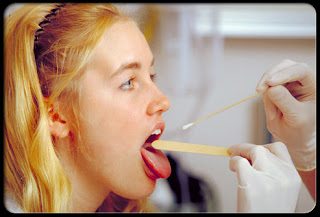
Sore Throat


Sore Throat
Sore Throat

An unpleasant neck, also known as a neck disease or pharyngitis, is an unpleasant swelling of the pharynx the returning portion of the neck that includes the returning third of the mouth, the smooth taste (roof of the mouth) and the tonsils (fleshy cells that are part of the throat’s defense defenses). The most typical cause of an unpleasant neck is disease with parasites or a malware.
Because an disease of the pharynx almost always involves the tonsils, tonsillitis (inflammation of the tonsils) was once a typical name for infected pharyngitis.
Currently in the United States, infected pharyngitis accounts for almost 10 million trips to doctors’ offices each year, and an unpleasant neck is among the top 10 complaints of individuals who seek therapy in emergency bedrooms. In about 85% of situations, neck disease is brought on by a malware. Although individuals who have the flu (influenza), high temperature blisters (oral herpes simplex) or infected mononucleosis (”mono”) also generally have a an unpleasant neck, these bacterial infections usually cause other revealing signs moreover to neck pain.
In regions that have heated summer season and awesome winter seasons, popular pharyngitis typically mountains during wintertime months season and may, a time when individuals often are close together in badly vented bedrooms. In this atmosphere, the germs that cause pharyngitis propagate quickly in the drops of coughs and sneezes and on unclean arms that have been exposed to fluids from a tired person’s nose area or oral cavity. In most individuals who are otherwise healthier, simple popular pharyngitis doesn’t last lengthy, goes away on its own and does not causes any long-term problems, although the short-term pain can be significant.
In situations of infected pharyngitis that are not popular, the cause is almost always a bacteria usually a group A beta-hemolytic Streptococcus, which causes what is generally known as strep neck. Like popular pharyngitis, strep neck can propagate quickly within a community, especially during late winter weather and may. Unlike most types of popular pharyngitis, however, without treatment strep neck can lead to serious problems, such as glomerulonephritis (a renal disorder) and rheumatic high temperature (a potentially life-threatening illness that can damage heart valves). A strep disease also has the potential to propagate within the body, causing pouches of pus (abscesses) in the tonsils and in the smooth cells around the neck.
Symptoms
The main symptom of pharyngitis is a an unpleasant neck. In infected pharyngitis, other signs vary depending on whether the disease is popular or microbe (usually strep throat):
• Viral pharyngitis � Agonizing neck often occurs with the following symptoms: pain when swallowing; swelling in the throat; drippy nose; rigid nose; cough; hoarseness; swelling of the eyes; and, in kids, diarrhoea. In some situations, there can be an unpleasant swelling around the oral cavity or small painful blisters on the mouth and within the oral cavity.
• Strep neck � With strep neck and other types of microbe pharyngitis, an unpleasant neck can be accompanied by any of the following symptoms: fever; pain when swallowing; a generally tired feeling (malaise); headache; swelling and swelling in the throat; a covering on the tonsils or tongue; and inflammed, tender lymph nodes (swollen glands) in the front of the neck. Children also can have nausea, vomiting and abdominal pain.
Because warning signs of popular and microbe pharyngitis can overlap, it may be difficult for the physician to distinguish between them based on signs alone. On the whole, however, if you have a prominent coughing and nose signs you are more likely to have popular pharyngitis than strep neck.
In inclusion to popular and microbe pharyngitis, an disease with fungus (Candida or “yeast”) sometimes can cause neck pain, difficulty ingesting and white areas within the oral cavity. This neck disease, generally known as yeast infection, usually affects babies and individuals with damaged natureal resistance. It is relatively rare among healthier teenagers and grownups.
A an unpleasant neck that takes more than a few weeks may be brought on by gerd from the stomach, breathing through the oral cavity in a dry atmosphere, postnasal drop or, rarely, a growth.
Prevention
While it’s impossible to avoid all bacterial infections, you can help to decrease exposure and spreading:
• Wash your arms frequently, especially after blowing your nose area or after caring for a kid with a an unpleasant neck.
• If someone in your home has pharyngitis, keep his or her consuming eating utensils and consuming glasses separate from those of other close relatives. Clean these things thoroughly in hot, soapy water.
• If a child with pharyngitis has been eating or stroking on toys, wash these things thoroughly in water and anti-bacterial soap, then rinse well.
• Promptly dispose of any unclean tissues from drippy noses and sneezes, and then wash your arms.
• Do not allow a kid who has been diagnosed with strep neck to return to school or day care until he or she has been getting medications for at least 24 hours and signs have improved.
Treatment
Because medications do not work against germs, popular pharyngitis usually is treated by treating the signs to cause you to experience more comfortable until your body defense mechanisms beats the disease. These actions include:
• Getting a lot of rest (either in or out of bed)
• Taking nuprin (Advil, Motrin), acetaminophen (Tylenol) or pain killers (in grownups only) to reduce neck pain
• Drinking a lot of water to avoid dehydration
• Gargling with heated high sodium water to convenience neck pain
• Drinking heated fluids (tea or broth) or awesome fluids or consuming gelatin sweets or flavored ices to ease the throat
• Using a awesome mist vape to reduce neck dryness
• Using over the counter neck lozenges (with or without zinc) or pain-killer neck sprays
• Taking over the counter decongestants and antihistamines to reduce nose over-crowding and drippy nose
• Taking vitamin C supplements if recommended by your doctor
These actions will help to convenience your pain if you have strep neck, but you also will have to take medications to avoid problems. Your physician will recommend a 10-day course of penicillin or amoxicillin (Amoxil, Trimox and other product names) to eliminate the strep parasites. If you are allergic to penicillin, including amoxicillin, you may be given erythromycin (sold under several product names) or one of the other macrolides, such as azithromycin (Zithromax) or clarithromycin (Biaxin). It’s important to take all the medication, even after you start to experience better.

Monday, 21 April 2014

Reduce 20 Weight Fast


Reduce 20 Weight Fast — Work out Plan

Status Muscle Snuggle, Beginning Position
1. Sit on a common, legs shoulder-width apart, a bodyweight in each side.
Reduce 20 Weight Fast

Standing Muscle Snuggle, The Move
2. Breathe out, curling hands to chest area, rising to a take a place. Breathe in, returning to start.
Step-up
Place ball of right foot on the base of a common. Phase up, extending left leg behind you and squeezing right glute as you lift. Reduced. Do 10; change to reverse leg and do it again.
Modified Push-up
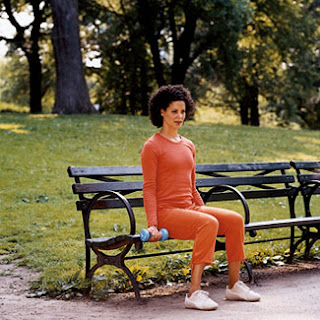
Place hands on the returning of a park common, hands shoulder-width apart, legs returning so heels are up and human body is at an angle. Breathe in, lowering human body to common. Breathe out, pushing hands to increase up.
Shoulder Media Lunge, Beginning Position
1. Stay at home lunge, a bodyweight in each side, above shoulders.
Shoulder Media Lunge, The Move
2. Get up, lifting hands above head. Return to start. Do 10; change to reverse leg and do it again.
Back Row in a Partially Go, Beginning Position
1. Stand with legs shoulder-width apart, legs curved, buttocks out, returning flat. Keep dumbbells in front of shins, hands extended, hands in. Click on pointer to see the next thing.
Back Row in a Partially Go, The Move
2. Breathe out, pulling elbows straight returning toward your chest area. Breathe in as you lower.
Squat with a Lateral Raise, Beginning Position
1. Stand with legs shoulder-width apart, legs curved, buttocks out, toes forward. Keep a bodyweight in each side, hands facing each other. Click on pointer to see the next thing.

Saturday, 19 April 2014

Eye Care Tips


Eye Care Tips for People Working in Front of Computers
Eye Care

Computers are today used in almost all the sectors in the world. As a result of this, a variety of people across the world spend the better part of their days in front of computers. However, it is important to take note of the fact that spending lots of your time in front of a computer can have dire consequences on your eyes as a result of the harmful rays that are produced from the computer monitors. In the long run, you can be able to experience blurry eye among other kinds of eye defects. This has led so many people to undergo various kinds of eye surgeries like cataract surgeries among others in order to restore their normal eye.
At certain times, the surgeries may not work for everyone. Besides, not everyone who works in front of computers is able to afford the cost of the surgeries and other kinds of eye treatments. In order to avoid all these, it is advisable that you know some of the ways through which you are able to ensure that your eyes are safe whenever you are working in front of computers.
One of the ways through which you are able to ensure that your eyes are safe from the effects of spending long hours in front of computers is through avoiding using the computer on areas where the is so much exposure to light. In order to avoid this glare, you can use adjustable shades or blinds to control the amount of light that your eyes are exposed to. To further reduce the reflections, you can also use anti-glare screen on your computer.
You can also be able to reduce the effects of the computer screen on your eyes by adjusting the height of the monitor. Ensure that the center of the screen is placed at about five to nine inches below the horizontal line of your sight. The placement should be such that you are staring directly towards the top of the monitor based on the position that you take while using the computer.
In case you are spending long hours in front of a computer daily, it is advisable that you adjust the monitor display settings of that computer. This can be able to assist you in reducing fatigue and strain on the eyes. The display settings should be able to match the brightness of the workstation that you are in. Besides, you should also take breaks throughout the day to reduce the strain on the eyes.

Wednesday, 9 April 2014

Important Natural oils & Your Diet


Important Natural oils & Your Diet
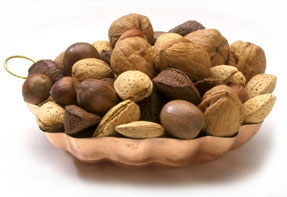
healthy nuts

Nutritional and medical experts have, over the last 10 years, made it perfectly clear: we are all eating too much fat and oil. The logical step is to prevent human extra fat wherever and whenever possible. And for the most part, this is excellent. But there are some oils which we need in what we eat plan plans to keep us healthy. Many eating plan plans like Medifast or Atkins try to incorporate this with varied success. And this leads to a great deal of confusion.
There are two basic types of unhealthy substances which come from food: human extra fat and cholestrerol levels. Since there is no need for any intake of cholestrerol levels, it is not an important vitamin. (Your liver can create plenty.) There are certain human extra fat, on the other hand, which one's human demands to function but it cannot create from other nutrients. These are known as fat.

Fats are made up of two parts: a glycerine 'backbone' with three human extra fats attached. (Thus the name 'triglyceride'.) You can imagine the arrangement by picturing a flagpole with three banner ads flying in a stiff wind. The pole would be the glycerine and the banner ads would be one's human extra fat. Fats, strong at 70 degrees (like butter or lard), have all three human extra fat completely 'saturated' with hydrogen. Unsaturated human extra fat, liquid at 70 degrees (like safflower oil) have some areas in their human extra fat where more hydrogen could be added. It is the unsaturated human extra fat which, depending on where those areas are, can be 'essential' to the system. Diets such as the Medifast eating plan regulate which human extra fat you ingest. Giving the system our bodies fat it needs and less of one's human extra fat it does not.

Fats and human extra fat are used for many purposes in the system. Cholesterol is required to create hormones. Fats, in general, help as a storage space of energy for when we do not get enough to eat and as a padding to keep areas from bouncing around. Fats are also required as protection around the nerves and to help keep cell membranes fluid so tissues can change shape as required, for instance, when red blood vessels tissues need to squeeze through capillaries.

Fats that are soaked are used primarily as energy storage space. As we eat more soaked human extra fat, blood vessels cholestrerol levels usually increase and human extra fat increases. Butter, lard, bacon 'grease', marg. and strong shortening are all forms of soaked human extra fat.

Fats that are unsaturated contain the fat. These include nut and seeds oils, seafood oils and veggie oils. Important human extra fat are used in many ways. But for now, I want to focus on how they help determine the level of swelling in the system. Fatty chemicals can be converted in the tissues of our bodies into sustances known as prostaglandins. These are cellular messengers which tell other tissues in the area whether they should be more or less inflamed, as well as telling the system whether blood vessels should or should not clot. These human extra fat from shellfish, dairy and red meat usually become those prostaglandins which increase swelling in the system and encourage blood vessels clots. Those from veggie, nut and seeds oils usually do the opposite. In fact, aspirin works by blocking the conversion of human extra fat into inflamation related prostaglandins. This is why it helps the danger for cardiovascular condition and certain cancers.

Some seeds and seafood oils are more powerful in decreasing swelling and clots than others. Cold or deep ocean seafood contain more of the 'omega-3' human extra fat which decrease blood vessels clots and decrease the danger for cardiovascular condition. They are also particularly excellent at decreasing combined inflammations like bursitis and the common form of osteoarthritis known as 'degenerative combined disease'. Borage seeds oil contains great 'omega-6' human extra fat excellent for decreasing swelling in the skin (eczema), and lungs (asthma), and this oil has been particularly effective in decreasing swelling and pain from autoimmune illnesses such as osteoarthritis and lupus. Evening primrose is oil great in omega-6 human extra fat. Many people find it more effective than other oils to treat 'female' problems such as menstrual cramps and menopausal vaginal swelling.

The one type of oil which contains a lot of all the fat (omega-3, -6 and -9) is flax oil. Flax is a highly unsaturated essential unhealthy acidity and as such can go rancid very quickly. But because it contains a advanced level of antiinflammatory fat, it can really matter in all types of inflamation related illnesses from bronchial asthma and meals to osteoarthritis and even cancer. Be aware, however, that because flax is so highly unsaturated, its human extra fat can become oxidized easily. Oxidation causes toxic formation which can cause swelling and impaired immune fuction, counteracting any benefits from taking this oil. So when using flax oil, it is imperative that you take an anti-oxidant vitamin, such as vitamin E. at the same time.

So how do you modify your daily eating plan to help decrease your chance of cardiovascular condition while still getting these essential unhealthy acids? First, prevent all soaked human extra fat whenever possible. (If you must use butter on your breads, use real butter rather than an artificially fats like marg. which causes more damage than it's worth. Use as little as possible and try substituting olive oil or apple butter instead). Keep total human extra fat down down to 20% of calorie consumption (on a 1500 calorie eating plan, 300 calorie consumption from fat, just over 30 grams of fat, or 2 1/2 Tbsp oil per day). When sauteing, use a little olive oil and mix in some broth to keep the seafood or vegetables from burning. When baking, substitute applesauce for butter or oil in most muffin and quick breads recipes. Use balsamic vinegar and just dash safflower or canola oil on your salads. Avoid all foods that are fried. Eat cold water seafood (halibut, cod, salmon, and tuna) twice each week. And if you have a specific health problem, try using an important unhealthy acidity supplement such as those mentioned above, plus an anti-oxidant vitamin to see if you feel better.

Tuesday, 8 April 2014

5 Small Steps with Huge Gains


        5 Small Steps with Huge Gains


Step #1 Take care of your Belly:


Take care of your Belly

Eat gradually and do not eat on the run. If you are in a rush take something with you that are easy to process. A healthy shake may be maximum.Drinks can be very healthy and fulfilling. Create sure you have sufficient proteins in your shake and as little fruit juice as possible - reduce the fruit juice. Use the whole fruit instead. Add some plant seeds for extra meltdown and some healthier fat.

Step #2 Treats for Life. 

Treats for Life

Always select sensibly when it comes to your snacks. Usually you will find yourself eating more and on the incorrect factors if you have not consumed healthier, healthy foods throughout the day. We think harmful snacks are more available than healthier ones. But move your concentrate - you will see the celery, orange, carrot stays, plant seeds almost everywhere. Create sure you select the salt less wide range if you select almonds or plant seeds.

Step #3 Controls, Please: 

Controls, Please

Eat well and eat moderately and with entertainment. In order to have the best of wellness, such as power and psychological concentrate - always eat 3 foods a day. This is an extension of Phase #1 - if try and relax and eat gently taking pleasure in each tasty chew you will get more advantage from what you're consuming. Providing yourself a chance to relax while you appreciate your food is important for excellent digestive function, assisting you are making smarter diet and eat less.

Step #4 Take the Cell phone off the Hook: 

It's known as down some time to that indicates no discussing on the telephone, text messaging or verifying e-mails. It indicates close your sight for at least 20 -30 moments. No disruptions - this is your some time to power so ensure that to tell those who may want to draw attention away you from this necessary and refreshing exercise. Don't think you are "doing nothing" that thought may prevent you from taking this seriously. You may assess yourself as being sluggish and inadequate but try not to. Think of this as re-charging your battery power - everyone needs this - younger and old. It'll middle you, help you get obvious on your main concerns for the relax of the day compared to just being on automated lead. You may not know it - but you don't have to be to on automated lead. You have my authorization to take an occasion out - at the very least for 10 moments.

Step #5 Hydrate:


Hydrate

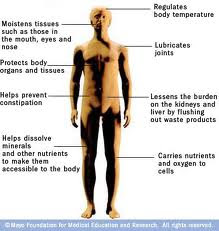
Being moisturized is so very important to great wellness. You may be unnecessary eating when you are actually just dried. If you are dehydrated you may have overlooked to consume continually previously - fortunately you can appropriate this management fairly easily. If you are worn out you may only need a sip or two of water to renew. Concept of thumb: consume 50 percent your bodyweight in oz. and you should be excellent. Example: if you think about 150 lbs consume at least 75 oz. of water every day.

 Hydrate

Heart disease,Causes


Heart Disease

Causes


How the heart works

To understand cardiac arrest, it helps to know how the heart performs. Your heart is a push. It's a muscular organ about the dimension your fists and located slightly remaining of heart in your chest. Your heart is divided into the right and the remaining part. The division defends oxygen-rich blood veins from mixing with oxygen-poor blood veins. Oxygen-poor blood veins returns to the heart after distributing through your human body.
The right part of the heart, consisting of the right atrium and ventricle, gathers and pumps blood veins to the respiratory system through the lung blood vessels. The respiratory system renews the blood veins with a new provider of fresh air, creating it convert red. An oxygen-rich blood vein then goes into the remaining part of the heart, consisting of the remaining atrium and ventricle, and is injected through the aorta to provide cells throughout one's human body with fresh air and nutritional value.
Four valves within your heart keep your blood veins moving the right way. The tricuspid, mitral, lung and aortic valves open only one way and only when pushed on. Each device opens and ends once per heartbeat — or about once every second while you're at relax.
A defeating heart agreements and calms. Shrinkage is known as systole, and relaxation is known as diastole. During systole, your ventricles contract, forcing blood veins into the veins going to your respiratory system and human body — much like catsup being forced out of a squeeze bottle. The right ventricle agreements a little bit before the remaining ventricle does. Your ventricles then relax during diastole and are filled with blood veins coming from the upper compartments, the remaining and right atria. The cycle then starts over again.
Your heart also has electric cabling, which keeps it defeating. Electrical signals start great in the right atrium and journey through specialized routes to the ventricles, delivering the signal to push. The transmission system keeps your heart defeating in a synchronized and regular beat, which will keeps blood veins distributing. The ongoing exchange of oxygen-rich blood veins with oxygen-poor blood veins is what keeps you alive.

The causes of cardiac arrest vary by kind of cardiac arrest.
Causes of cardiac arrest
While cardiac arrest can refer to many different kinds of heart or vein problems, the term is often used to mean damage triggered to your heart or veins by heart disease (ath-ur-o-skluh-RO-sis), a buildup of fatty plaques in your blood vessels. This is a condition that affects your blood vessels. Arteries are veins that carry fresh air and nutritional value from your heart to the relax of your human body. Healthier blood vessels are flexible and strong.
Over time, however, too much stress in your blood vessels can make the walls thick and firm — sometimes reducing blood veins circulation to your organs and cells. This process is known as arteriosclerosis, or solidifying of the blood vessels. Atherosclerosis is the most typical way of this problem. Atherosclerosis is also the most typical cause of cardiac arrest, and it's often brought on by an unhealthy diet, a sedentary lifestyle, being overweight and cigarette smoking. All of these are major risks for developing heart disease and, in convert, cardiac arrest.
Causes of heart arrhythmia
Common causes of irregular heart tempos (arrhythmias) or circumstances that can lead to arrhythmias include:
•           Heart problems you're created with (congenital heart defects)
•           Coronary artery disease
•           High blood veins pressure
•           Diabetes
•           Smoking
•           Excessive use of alcohol or caffeine
•           Drug abuse
•           Stress
•           Some over-the-counter medicines, prescriptions, nutritional supplements and herbal remedies
•           Alular heart disease
In a good person with a regular, healthy heart, it's unlikely for a critical arrhythmia to create without some outside trigger, such as an electric shock or the use of unlawful medication. That's primarily because a good person's heart is free from any irregular circumstances that cause an arrhythmia, such as an area of damaged cells.
However, in a heart that's infected or misshaped, the heart's electric signals may not effectively start or journey through the heart, creating arrhythmias more likely to create.
Causes of heart defects
Heart problems usually create while a baby is still in the uterus. About a month after perception, the heart begins to create. It's at this point that heart problems can start to type. Some health issues, medicines and genes may be a factor in resulting in heart problems.
Heart problems can also create in adults. As you age, your heart's structure can change, resulting in a heart problem.
Causes of cardiomyopathy
The exact cause of cardiomyopathy, a thickening or increasing the size of of the heart muscular, is unknown. There are three kinds of cardiomyopathy:
•           Dilated cardiomyopathy. This is the most everyday sort of cardiomyopathy. In this problem, your heart's primary moving stage — the remaining ventricle — becomes increased (dilated), its moving capability becomes less intense, and blood veins doesn't circulation as easily through the heart.
•           Hypertrophic cardiomyopathy. This kind involves irregular growth or thickening of your heart muscular, particularly affecting the muscular of your heart's primary moving stage. As thickening occurs, the heart tends to restrict and the dimension the moving stage may shrink, disrupting your heart's capability to deliver blood veins to your human body.
•           Restrictive cardiomyopathy. The heart muscular in people with limited cardiomyopathy becomes firm and less elastic, meaning the heart can't effectively expand and fill with blood veins between heartbeats. It's the least everyday sort of cardiomyopathy and can occur for no known reason.
Causes of heart infection
Heart attacks, such as pericarditis, endocarditic and myocarditis, are triggered when an damaging, such as a bacteria, malware or chemical, reaches your heart muscular. The most typical causes of heart attacks include:
•           Bacteria. Endocarditic can be brought on by a number of harmful bacteria entering your blood vessels. The harmful bacteria can enter your blood vessels through everyday living, such as eating or cleaning your teeth, especially if you have inadequate dental health. Myocarditis can also be brought on by a tick-borne bacteria that is responsible for Lyme condition.
•           Viruses. Heart attacks can be brought on by germs, including some that cause flu (coxsackievirus B and adenovirus), a allergy known as fifth condition (human parvovirus B19), gastrointestinal attacks (echovirus), mononucleosis (Epstein-Barr virus) and measles (rubella). Viruses associated with sexually passed on attacks also can journey to the heart muscular and cause an disease.
•           Parasites. Among the harmful bacteria that can cause heart attacks are Trypanosomes cruzi, toxoplasma, and some that are passed on by insects and can cause a condition known as Chagas' condition.
•           Medications that may cause an allergic or toxic reaction. These consist of antibiotics, such as penicillin and sulfonamide medication, as well as some unlawful substances, such as drugs. The needles used to manage medicines or unlawful medication also can transmit germs or harmful bacteria that can cause heart attacks.
•           Other illnesses. These consist of lupus; ligament disorders; inflammation of veins (vacuities); and rare inflammatory circumstances, such as Wegener's granulomatosis.
Causes of alular heart disease
There are many causes of illnesses of your heart valves. Four valves within your heart keep blood veins flowing in the right direction. You may be created with alular condition, or the valves may be damaged by such circumstances as rheumatic fever, attacks (infectious endocarditic), ligament conditions, and certain medicines or radiation treatments for cancer.